
Introduction
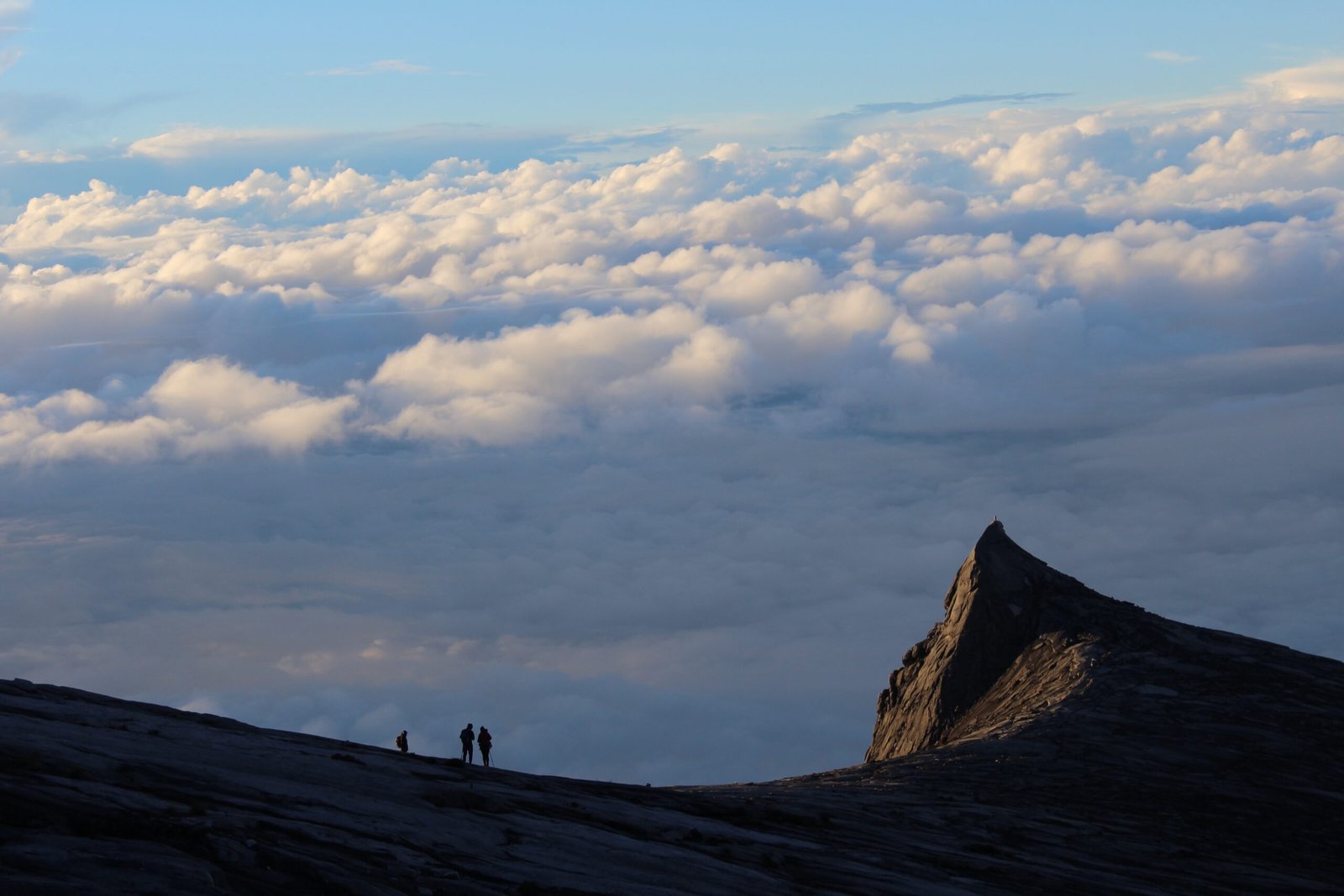
Mount Kinabalu is one of the most popular mountains to climb in Southeast Asia. Located in Borneo, Malaysia, it attracts thousands of climbers each year. Before embarking on this challenging adventure, there are a few things you need to know to ensure a safe and enjoyable experience.
Physical Fitness
Climbing Mount Kinabalu requires a certain level of physical fitness. It is important to be in good health and have a reasonable level of endurance. Regular exercise and cardiovascular training will help prepare your body for the climb. It is also advisable to consult with a healthcare professional before attempting the climb, especially if you have any pre-existing medical conditions.
Acclimatization
Mount Kinabalu reaches an altitude of 4,095 meters, and altitude sickness can be a concern. To minimize the risk, it is recommended to spend at least one night at the Kinabalu National Park before the climb. This will help your body acclimatize to the higher altitude and reduce the chances of altitude-related illnesses.
Permits and Guides
Before climbing Mount Kinabalu, you need to obtain a climbing permit from the Sabah Parks. It is also mandatory to hire a licensed guide for your safety. These measures ensure that climbers are properly registered and guided throughout the climb.
Packing Essentials
When packing for your Mount Kinabalu climb, make sure to bring appropriate clothing for both hot and cold weather conditions. It is also essential to have sturdy hiking boots, a backpack, a headlamp, a raincoat, and sufficient food and water. Additionally, don’t forget to carry any necessary medication and a first aid kit.
Conclusion
Climbing Mount Kinabalu is a challenging and rewarding experience. By being physically prepared, acclimatizing properly, obtaining the necessary permits and guides, and packing the right essentials, you can make your climb a safe and memorable one. Remember to respect the mountain and follow the guidelines set by the authorities to preserve the natural beauty of Mount Kinabalu for future generations.
